Leadership
Leadership
•
Dec 16, 2025
Dec 16, 2025
From Ideas to Action: How MSPs Should Actually Wrap Up 2025
From Ideas to Action: How MSPs Should Actually Wrap Up 2025
Most MSPs don’t need more ideas for 2026 — they need fewer, sharper commitments that actually change how the work runs. This piece walks Technical Pros, Managers, and Leaders through a practical way to close out 2025 with intention.
Most MSPs don’t need more ideas for 2026 — they need fewer, sharper commitments that actually change how the work runs. This piece walks Technical Pros, Managers, and Leaders through a practical way to close out 2025 with intention.
Phil Sipowicz
Phil Sipowicz
Founder of Teamwrkr
Founder of Teamwrkr
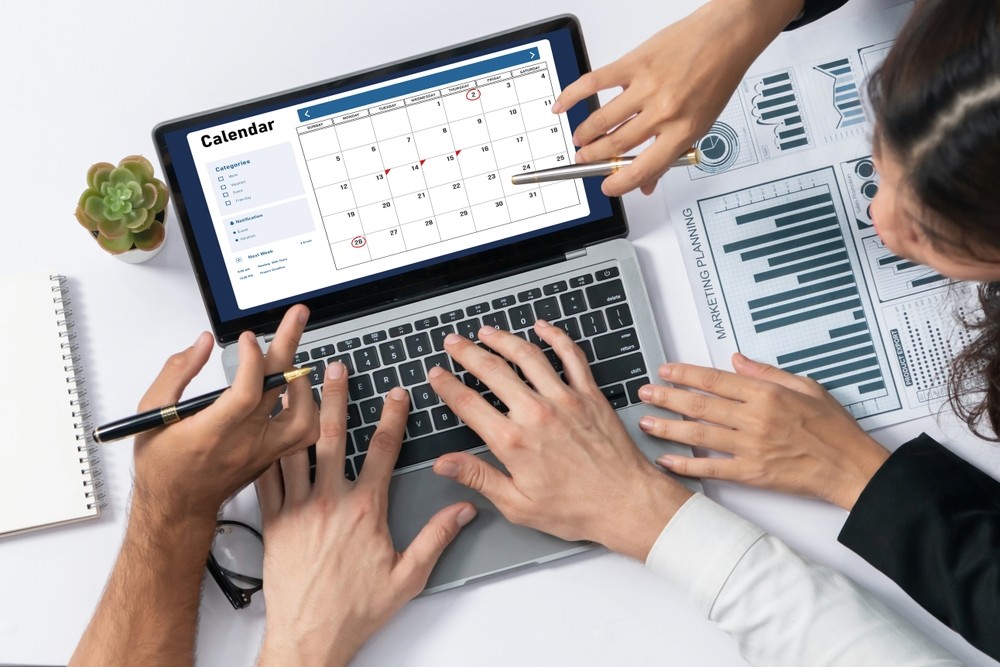
If your 2026 plan doesn’t change how your team works in January, it’s not a plan — it’s a wish list.
Most MSPs don’t plan for a new year. They recycle one.
Someone copies last year’s numbers into a new sheet, adds “better margins” and “more AI,” and calls it strategy. The deck looks different. The day-to-day doesn’t.
Same clients blowing up your team.
Same projects stuck in “almost done.”
Same people quietly carrying the hardest work.
The problem isn’t a lack of ideas. It’s that nothing in the operating system of the business actually changes.
Future-ready MSPs treat year-end as an OS upgrade — not a report card.
The Real Risk: Re-running 2025
If you don’t close 2025 on purpose, here’s what 2026 will look like:
More noise from tools and security.
More pressure from clients.
The same invisible bottlenecks inside your team.
The view from each seat:
Tech Pros
Still living in reactive mode.
Still fighting the same noisy alerts and unclear ownership.
Still seeing “initiative work” stacked on top of regular tickets.
Managers
Still stuck translating “be more proactive” into real schedules.
Still balancing coverage, escalations, and reporting.
Still watching good improvement ideas die because there’s no space to execute.
C-Level
Still pulled into items that shouldn’t reach you.
Still unclear which work actually moves the business vs keeps it alive.
Still hoping “this year will be different” without changing the system.
If the system stays the same, so do the results.
The Reflection Trap: Ideas That Go Nowhere
Most “year-end reflection” stops where it should start.
Common patterns:
Leadership therapy: Good conversation at an offsite that never leaves the slides.
Survey theater: Team gives feedback. It gets summarized, presented once, and forgotten.
The “we should” list: “We should be more proactive.” “We should fix documentation.” “We should standardize tools.”
None of these are decisions. None of them show up in calendars, queues, or playbooks.
Three simple rules:
If it doesn’t change a rule, it’s just a thought.
If it doesn’t change a meeting, it’s just a goal.
If it doesn’t change a person’s work, it’s just noise.
Treat Year-End Like an OS Upgrade
Use three simple lenses with your team:
What Worked
Keep the things that actually reduced pain or increased value.
Ask:
Which services felt clean and predictable?
Which processes actually made life easier?
Which clients or segments were low drama, good margin, and repeatable?
By role:
Tech Pros: “What made your day meaningfully better this year?”
Managers: “What changes actually stuck?”
Leaders: “Where did we win on purpose, not by accident?”
What Hurt
Name the pain you’re not willing to roll into 2026 by default.
Examples:
The same queues always on fire.
The same ugly handoffs between teams.
The same boundary-breaking clients draining your best people.
Push past “we’re busy” into specifics. Look for repeatable patterns, not one-off stories.
What Changed Around You
What moved faster than you did?
Vendor shifts that created chaos.
Security and tooling changes that spiked noise.
Client business changes you only reacted to.
The point isn’t to re-live the year. It’s to justify changing how you operate.
Turn Lessons Into Guardrails, Bets, and Rituals
If a “lesson” doesn’t end up in one of these three buckets, you will repeat it.
Guardrails: What You’ll Stop Tolerating
Examples:
No more “anyone can touch anything” ticket queues.
No new project without a clear owner, scope, and success criteria.
No more unprofitable, abusive clients on auto-renew.
Who does what:
Tech Pros help define what “sane” looks like.
Managers bake guardrails into queues, SOPs, and schedules.
Leaders back the guardrails when they get tested.
Bets: Where You’ll Lean In
You can’t fix everything. Choose a few places to go deeper.
Examples:
One service line that clearly worked — and deserves more focus.
One specific area of documentation you’ll actually clean up.
One or two automation / AI use cases you’ll fully operationalize.
Who does what:
Tech Pros own small, high-impact bets.
Managers clear space to execute.
Leaders resource bets properly instead of stacking them on top.
Rituals: Where It Actually Lives
Rituals are the recurring moments where you inspect and adjust.
Examples:
Weekly service huddle focused on patterns and risks, not reading dashboards.
Monthly “what’s annoying us?” session where you commit to one fix.
Quarterly client/service review where you decide: fix, double down, or stop.
This is where a tool like Teamwrkr is useful: one place to keep guardrails, bets, and rituals visible, instead of buried in old slides.
A Lightweight 90-Minute “Wrap Up 2025” Session
You don’t need a retreat. You need one good session.
Before the session
Ask everyone to send bullets for:
“What worked this year that we should absolutely keep?”
“What hurt this year that you’re not willing to relive in 2026?”
“What changed around us that we didn’t really respond to?”
Put it all in one shared space (Teamwrkr, doc, board).
During the 90 minutes
0–10 min – Frame it: “We’re here to decide what will be different in 2026 — and how.
If it doesn’t turn into a guardrail, bet, or ritual, it doesn’t make the list.”
10–30 min – Share
Go by role: Tech Pros → Managers → Leaders. No debating. Capture themes live.
30–50 min – Prioritize
Cluster into: Clients, Process, Tools, Team. Then pick the top 3 pains and the top 3 bright spots.
50–75 min – Convert
For each of the 6:
Is this a guardrail, a bet, or a ritual change?
Who owns the next step?
When will you check back?
75–90 min – Lock in January
Which meetings change?
Which SOPs / playbooks get a first edit?
What’s the very first visible sign, in January, that this wasn’t just another conversation?
Outputs:
5–7 guardrails.
2–3 clear bets.
A few concrete changes to your calendar and operating cadence.
Role-Specific Mandates Before January 15th
Everyone on your team has a role in the success of the group:
Tech Pros
Show up with specifics, not vibes.
Bring a short list of recurring pains and what would fix them.
Volunteer to own one small improvement that would make your day meaningfully better.
Operational Enablers / Managers
Own the session logistics and facilitation.
Make sure every “we should” turns into something someone owns.
Be the one who says, “That’s too many priorities. What are we dropping?”
C-Level Execs
Decide what you’re truly willing to stop doing or tolerating.
Name the 2–3 things that matter more than everything else in 2026. Use your operating rhythm, not your inbox, to stay close to reality.
The Real Test
The real test isn’t your 2026 deck. It’s what your team feels by mid-January.
Are the same pains running the show?
Or can people point to specific guardrails, bets, and rituals that are actually new?
If nothing about how you work changes, your “plan” was just a wish list.
So book the 90 minutes.
Run the session.
Turn ideas into changes your team can feel.
And if you’d rather not rebuild this from scratch, this is precisely the kind of “from ideas to action” operating system MSPs are building together in the Teamwrkr community — using tools that make decisions stick instead of disappear.
If your 2026 plan doesn’t change how your team works in January, it’s not a plan — it’s a wish list.
Most MSPs don’t plan for a new year. They recycle one.
Someone copies last year’s numbers into a new sheet, adds “better margins” and “more AI,” and calls it strategy. The deck looks different. The day-to-day doesn’t.
Same clients blowing up your team.
Same projects stuck in “almost done.”
Same people quietly carrying the hardest work.
The problem isn’t a lack of ideas. It’s that nothing in the operating system of the business actually changes.
Future-ready MSPs treat year-end as an OS upgrade — not a report card.
The Real Risk: Re-running 2025
If you don’t close 2025 on purpose, here’s what 2026 will look like:
More noise from tools and security.
More pressure from clients.
The same invisible bottlenecks inside your team.
The view from each seat:
Tech Pros
Still living in reactive mode.
Still fighting the same noisy alerts and unclear ownership.
Still seeing “initiative work” stacked on top of regular tickets.
Managers
Still stuck translating “be more proactive” into real schedules.
Still balancing coverage, escalations, and reporting.
Still watching good improvement ideas die because there’s no space to execute.
C-Level
Still pulled into items that shouldn’t reach you.
Still unclear which work actually moves the business vs keeps it alive.
Still hoping “this year will be different” without changing the system.
If the system stays the same, so do the results.
The Reflection Trap: Ideas That Go Nowhere
Most “year-end reflection” stops where it should start.
Common patterns:
Leadership therapy: Good conversation at an offsite that never leaves the slides.
Survey theater: Team gives feedback. It gets summarized, presented once, and forgotten.
The “we should” list: “We should be more proactive.” “We should fix documentation.” “We should standardize tools.”
None of these are decisions. None of them show up in calendars, queues, or playbooks.
Three simple rules:
If it doesn’t change a rule, it’s just a thought.
If it doesn’t change a meeting, it’s just a goal.
If it doesn’t change a person’s work, it’s just noise.
Treat Year-End Like an OS Upgrade
Use three simple lenses with your team:
What Worked
Keep the things that actually reduced pain or increased value.
Ask:
Which services felt clean and predictable?
Which processes actually made life easier?
Which clients or segments were low drama, good margin, and repeatable?
By role:
Tech Pros: “What made your day meaningfully better this year?”
Managers: “What changes actually stuck?”
Leaders: “Where did we win on purpose, not by accident?”
What Hurt
Name the pain you’re not willing to roll into 2026 by default.
Examples:
The same queues always on fire.
The same ugly handoffs between teams.
The same boundary-breaking clients draining your best people.
Push past “we’re busy” into specifics. Look for repeatable patterns, not one-off stories.
What Changed Around You
What moved faster than you did?
Vendor shifts that created chaos.
Security and tooling changes that spiked noise.
Client business changes you only reacted to.
The point isn’t to re-live the year. It’s to justify changing how you operate.
Turn Lessons Into Guardrails, Bets, and Rituals
If a “lesson” doesn’t end up in one of these three buckets, you will repeat it.
Guardrails: What You’ll Stop Tolerating
Examples:
No more “anyone can touch anything” ticket queues.
No new project without a clear owner, scope, and success criteria.
No more unprofitable, abusive clients on auto-renew.
Who does what:
Tech Pros help define what “sane” looks like.
Managers bake guardrails into queues, SOPs, and schedules.
Leaders back the guardrails when they get tested.
Bets: Where You’ll Lean In
You can’t fix everything. Choose a few places to go deeper.
Examples:
One service line that clearly worked — and deserves more focus.
One specific area of documentation you’ll actually clean up.
One or two automation / AI use cases you’ll fully operationalize.
Who does what:
Tech Pros own small, high-impact bets.
Managers clear space to execute.
Leaders resource bets properly instead of stacking them on top.
Rituals: Where It Actually Lives
Rituals are the recurring moments where you inspect and adjust.
Examples:
Weekly service huddle focused on patterns and risks, not reading dashboards.
Monthly “what’s annoying us?” session where you commit to one fix.
Quarterly client/service review where you decide: fix, double down, or stop.
This is where a tool like Teamwrkr is useful: one place to keep guardrails, bets, and rituals visible, instead of buried in old slides.
A Lightweight 90-Minute “Wrap Up 2025” Session
You don’t need a retreat. You need one good session.
Before the session
Ask everyone to send bullets for:
“What worked this year that we should absolutely keep?”
“What hurt this year that you’re not willing to relive in 2026?”
“What changed around us that we didn’t really respond to?”
Put it all in one shared space (Teamwrkr, doc, board).
During the 90 minutes
0–10 min – Frame it: “We’re here to decide what will be different in 2026 — and how.
If it doesn’t turn into a guardrail, bet, or ritual, it doesn’t make the list.”
10–30 min – Share
Go by role: Tech Pros → Managers → Leaders. No debating. Capture themes live.
30–50 min – Prioritize
Cluster into: Clients, Process, Tools, Team. Then pick the top 3 pains and the top 3 bright spots.
50–75 min – Convert
For each of the 6:
Is this a guardrail, a bet, or a ritual change?
Who owns the next step?
When will you check back?
75–90 min – Lock in January
Which meetings change?
Which SOPs / playbooks get a first edit?
What’s the very first visible sign, in January, that this wasn’t just another conversation?
Outputs:
5–7 guardrails.
2–3 clear bets.
A few concrete changes to your calendar and operating cadence.
Role-Specific Mandates Before January 15th
Everyone on your team has a role in the success of the group:
Tech Pros
Show up with specifics, not vibes.
Bring a short list of recurring pains and what would fix them.
Volunteer to own one small improvement that would make your day meaningfully better.
Operational Enablers / Managers
Own the session logistics and facilitation.
Make sure every “we should” turns into something someone owns.
Be the one who says, “That’s too many priorities. What are we dropping?”
C-Level Execs
Decide what you’re truly willing to stop doing or tolerating.
Name the 2–3 things that matter more than everything else in 2026. Use your operating rhythm, not your inbox, to stay close to reality.
The Real Test
The real test isn’t your 2026 deck. It’s what your team feels by mid-January.
Are the same pains running the show?
Or can people point to specific guardrails, bets, and rituals that are actually new?
If nothing about how you work changes, your “plan” was just a wish list.
So book the 90 minutes.
Run the session.
Turn ideas into changes your team can feel.
And if you’d rather not rebuild this from scratch, this is precisely the kind of “from ideas to action” operating system MSPs are building together in the Teamwrkr community — using tools that make decisions stick instead of disappear.
Related Topics
Related Topics
Explore our other posts
Explore our other posts
Read more about
Read more about
Leadership
Leadership


© 2026 Teamwrkr. All rights reserved.
© 2026 Teamwrkr. All rights reserved.
© 2025 Teamwrkr. All rights reserved.
© 2026 Teamwrkr. All rights reserved.